Coordinator

Dr. Bogdan Vasile
Main topics
National Center for Micro and Nanomaterials (CNMN)
The National Center for Micro and Nanomaterials (CNMN) was established within the Department of Science and Engineering of Oxide Materials and Nanomaterials at the University Politehnica of Bucharest, by Decision No. 244/21.03.2014.
It operates in accordance with the applicable legal framework and the specific regulations governing research centers within the university, with its primary mission being the promotion of research, development, innovation, and creativity in the field of micro- and nanomaterials.
Objectives of CNMN
The National Center for Micro and Nanomaterials (CNMN) aims to develop innovative research and development activities at the national level, with the following main objectives:
-
Promotion of fundamental and applied research
CNMN is committed to active participation in the national research and development plan, as well as in other publicly funded programs, thereby contributing to the advancement of scientific knowledge in the field of micro- and nanomaterials. -
International collaboration
Participation in international programs is essential for integrating CNMN into global research networks, facilitating the exchange of knowledge and expertise. -
Partnerships with industry
CNMN collaborates with both Romanian and international companies and industrial partners in order to transform research outcomes into practical applications and innovative solutions. -
Advanced academic training
The Center supports doctoral and postdoctoral research programs, contributing to the development of a new generation of researchers specialized in materials science. -
Funded research activities
CNMN also conducts additional scientific research activities, collaborating with both legal entities and individuals to expand its impact within the scientific community.
Through these objectives, CNMN establishes itself as a center of excellence in the field of micro- and nanomaterials, dedicated to innovation and sustainable development.
Center Leadership
The coordinator of the center within the CAMPUS building is CSII Dr. Eng. Bogdan Ștefan Vasile, Technical Director of the Center.
CNMN Laboratories
CNMN comprises several specialized laboratories located within the CAMPUS facility, which contribute to achieving its objectives.
These laboratories are essential for the synthesis, processing, characterization, modeling, and validation of new multifunctional materials. Each laboratory is equipped with modern instrumentation that enables advanced research in materials science.
Through these initiatives, CNMN proves to be a key contributor to the Romanian research landscape, advancing knowledge and technologies in the field of micro- and nanomaterials.
Functional Analysis
The Functional Analysis laboratory specializes in comprehensive analysis of materials’ magnetic, structural, electrical, and elemental properties, making this laboratory an invaluable resource for materials science research and development. The Vibrating Sample Magnetometry system measures magnetic properties of materials with high precision. It can determine magnetization, susceptibility, and permeability as functions of temperature and applied magnetic field for bulk, film, and powder samples. The system’s sensitivity allows for the analysis of samples with cross-sections as small as 4.5 mm x 4.5 mm, making it suitable for studying nanostructured magnetic materials. Small Angle X-ray Scattering is a powerful technique for probing nanoscale structures in materials. a non-invasive method to characterize large scale structures, without requiring specific preparation such as drying, freezing, contrasting agent or conductive coating. With a large angular range necessary for hierarchical structures, the technique is bridging the gap between imaging and atomic resolution (below 1 µm and above 10 Å). The versatility of the system is wide, featuring a large sample chamber which is set up to operate either in vacuum or in air, which can hold a large range of sample holders for transmission, grazing incidence, temperature stage and flow cell. Electrical Impedance Spectroscopy (EIS) provides valuable insights into the electrical properties of materials and interfaces. The laboratory’s EIS capabilities allow for the measurement of impedance over a wide frequency range, enabling the characterization of various electrochemical processes and material properties. The XRF spectrometer offers both qualitative and quantitative elemental analysis of solids. It can detect elements from sodium to uranium with high sensitivity, making it ideal for analyzing heavy metal concentrations in environmental samples, industrial materials, and geological specimens. The system’s non-destructive nature and minimal sample preparation requirements make it a versatile tool for rapid compositional analysis. This multi-modal laboratory setup enables researchers to correlate structural, magnetic, electrical, and chemical properties of materials, providing a comprehensive understanding of complex systems and facilitating the development of new materials and technologies.
Biological Evaluation
The Biological Evaluation laboratory focuses on the biological evaluation of synthesized materials, emphasizing the testing of their biocompatibility and toxicity. It supports research in the life sciences by providing a controlled environment for precise and reproducible experiments. The main activities conducted in the laboratory include analyzing the biocompatibility of materials with cell cultures, determining toxicity through qualitative and quantitative methods, and investigating material-cell interactions using advanced technologies.The laboratory is equipped with essential tools such as a spectrophotometer for absorption measurements and quantification of biological and chemical substance concentrations, PCR (Polymerase Chain Reaction) for molecular analysis and determining the expression of genes involved in biological responses, a flow cytometer for detailed analysis of cell populations and characterization of their physical and chemical properties, and a UV biological hood for the safe handling of biological materials.This laboratory plays a crucial role in the evaluation and validation of materials intended for medical applications, thus contributing to the development of safe and effective solutions for human health.
Micro and Nanomaterials
The Laboratory of Micro and Nanomaterials is an excellent interdisciplinary research unit of the CAMPUS Institute, considering the following main research directions: a) Development of modern and unconventional methods for the synthesis of oxidic or non-oxidic micro and nanopowders; b) Synthesis of oxidic, natural and nanostructured composite biomaterials; c) Processing micro and nanostructured performing ceramics with thermomechanical, electrical, magnetic and biocompatibility properties; d) Nanostructured thin films with different properties; e) Obtaining ecological ceramic materials with good electrical, magnetic and optical properties; f) Obtaining micro/nanostructured ceramic materials and multiferroic composites with magneto-electric coupling; g) Nanocomposite carbon systems; h) Electroconductive micro and nanopolymers for applications in electronics; i) Synthesis routes, processing and micro and nanostructural characterization of micro and nanomaterials; j) Multifunctional materials with functional gradient; k) Functionalization of nanoparticles with biologically active molecules or with other fractions that change the properties. The main objective of LMN is to provide support activities for all the research-development-innovation departments within the CAMPUS Institute, especially those engaged in research in the field of materials science, biology, medicine and semiconductors. LMN offers access to its research infrastructure to the teaching staff and students of NUSTPB who are interested in the development of studies to obtain inorganic and inorganic materials by complementary methods. LMN also offers access to its R&D infrastructure to all other institutions and universities in the country and abroad. LMN includes a multi-disciplinary team, made up of teaching staff/senior researchers with extensive experience in the field of materials science, PhD students and students interested in advanced research, as well as technicians and engineers. LMN activities also include organizing workshops and conferences on micro and nanomaterials, providing services for industrial partners and implementing new analytical techniques. The laboratory has the technique of depositing thin films, processing and synthesis of micro and nanomaterials (niches, ovens, rotavapor, analytical balances, shakers, etc.), necessary equipment as well as a uniaxial press for determining the mechanical properties of materials.
Electron Mimicroscopy and Structural Analysis
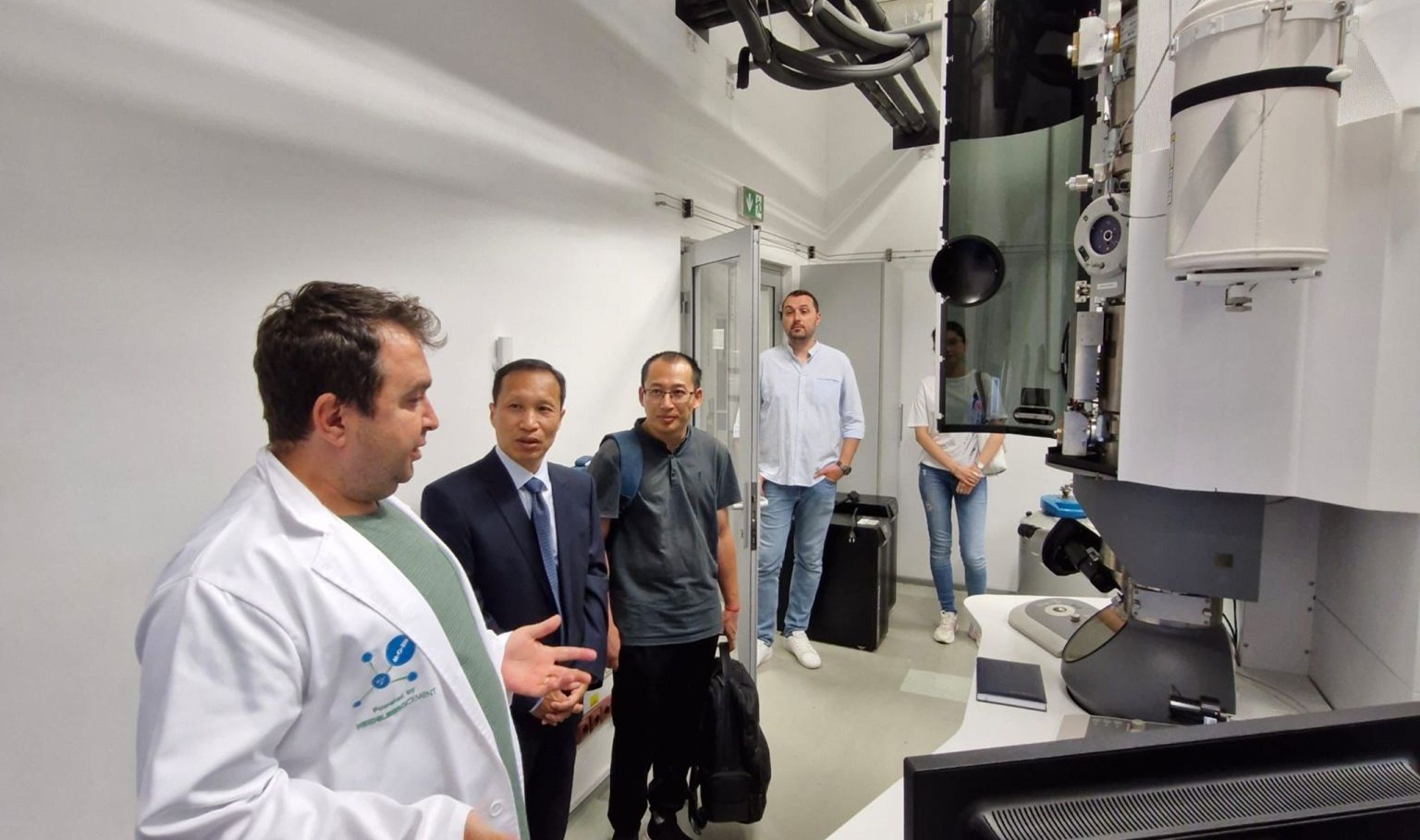
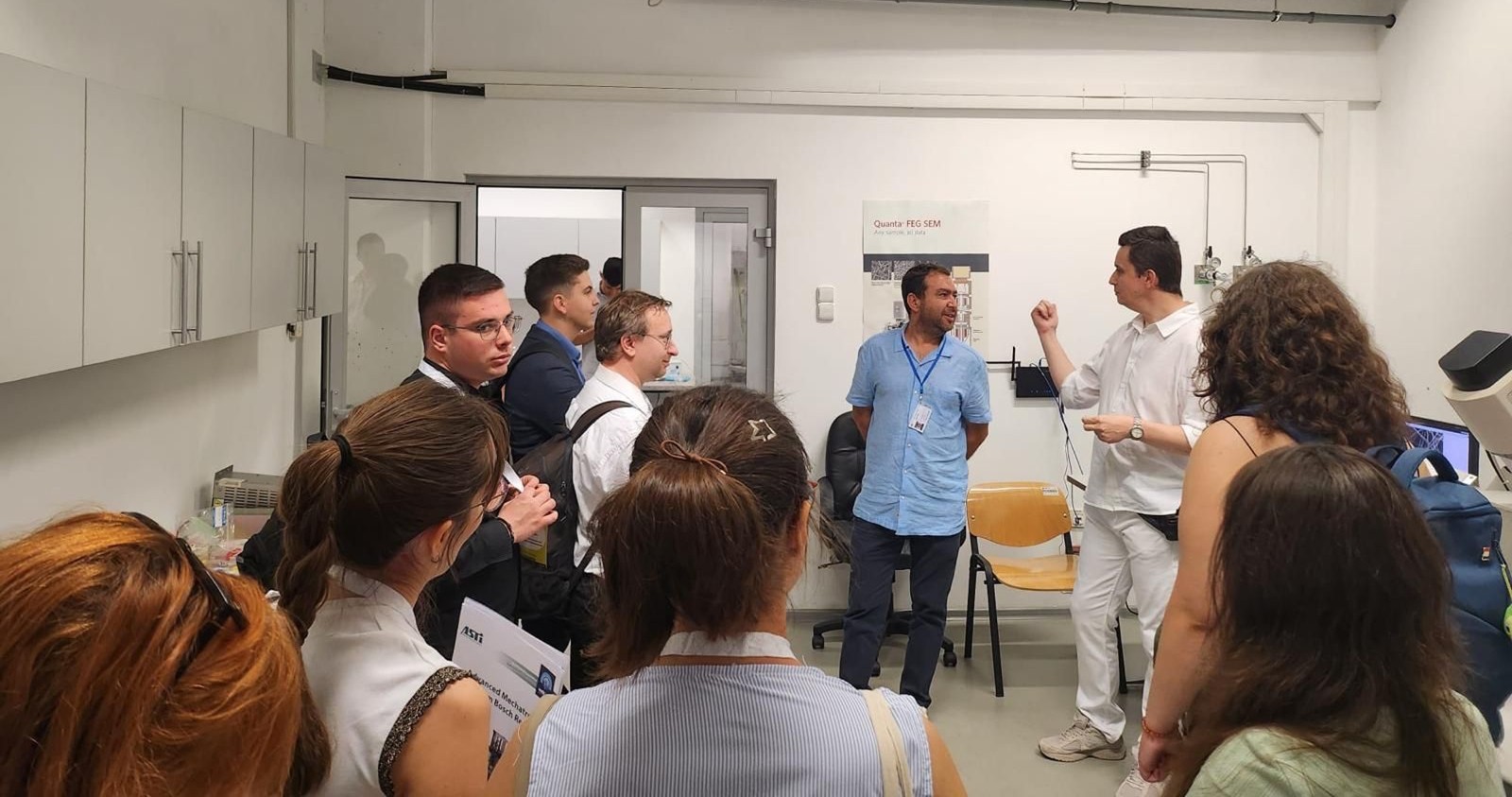
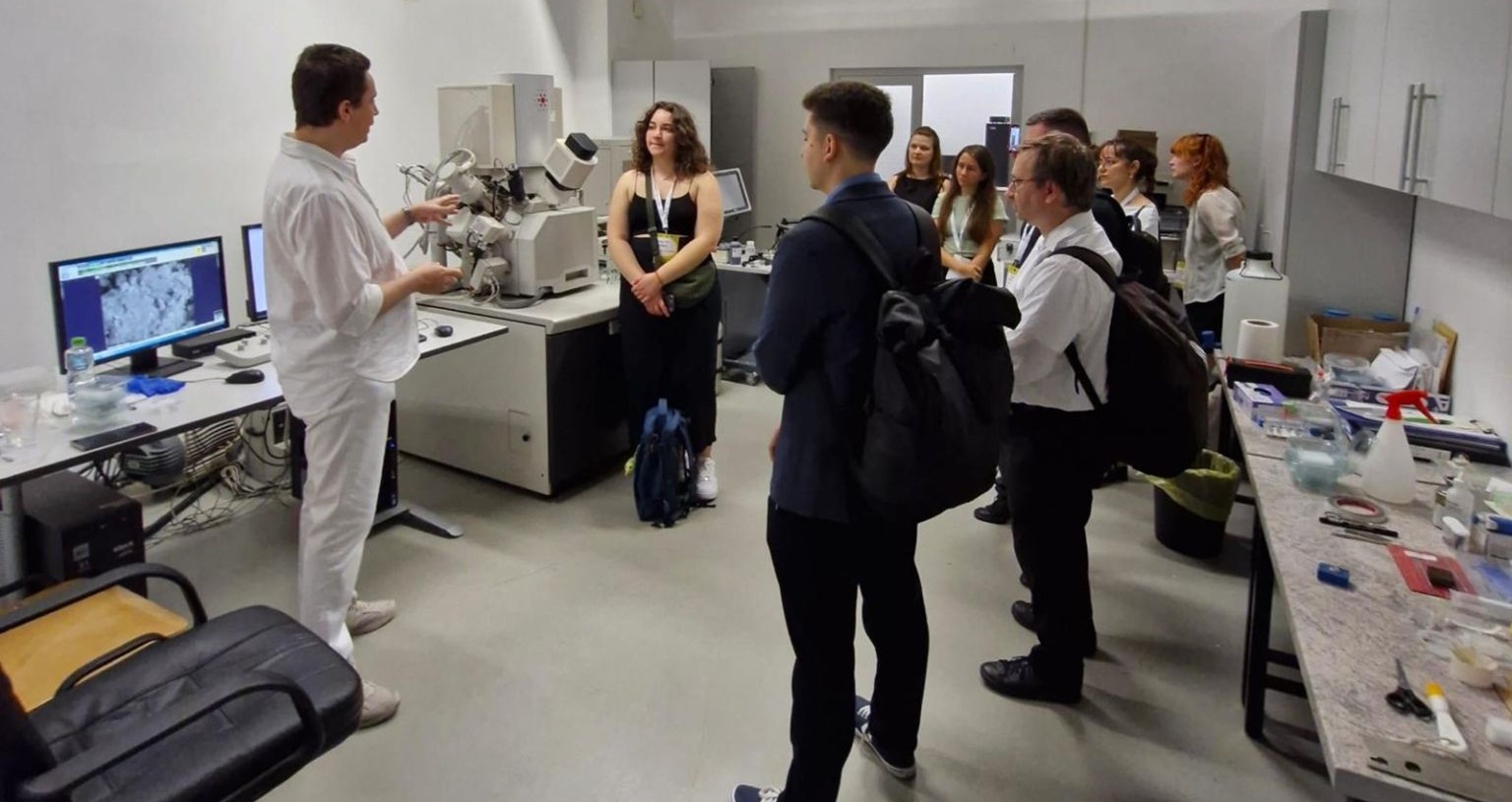
The Electron Mimicroscopy and Structural Analysis Laboratory is an interdisciplinary research unit of excellence of the CAMPUS Institute, which combines the most advanced methods and analytical R&D equipment in the field of electron microscopy and microanalysis. The main objective of SAEML is to provide support activities for all the research-development-innovation departments within the CAMPUS Institute, especially those engaged in research in the field of materials science, biology, medicine and semiconductors. SAEML offers access to its research infrastructure to NUSTPB teaching staff and students who are interested in developing comprehensive structural and chemical characterization studies of inorganic and inorganic materials through complementary methods of electron microscopy and micron, nanometric and atomic scales. SAEML also offers access to its R&D infrastructure to all other institutions and universities in the country and abroad. SAEML includes a multi-disciplinary team, made up of teaching staff/senior researchers with extensive experience in the field of electron microscopy and materials science, doctoral students and students interested in advanced research, as well as a technician. SAEML activities also include the training of new electron microscopy technical operators, the organization of electron microscopy workshops and conferences, the provision of services for industrial partners and the implementation of new analytical techniques. The laboratory has HR-SEM, SEM-FIB, HR-ESEM, Cryo-SEM, HR-(S)TEM, Cryo-TEM, EDS, EELS, Electron Beam Tomography, Raman and AFM as well as standard facilities such as sample preparation, conference and work rooms.
Food Safety
The Food Safety Laboratory was established as a result of the successful completion of the National Creation of Scientific Research for Food Safety project funded by the Sectoral Operational Program “Increasing Economic Competitiveness” “Investments for your future” with a total project value of 51.160.771 lei The main objective of LpSA is to increase the research capacity by developing the research infrastructure in the field of quality control and food safety, having a platform for scientific research, evaluation and control. LpSA is a platform of regional and national interest for the control of quality, safety and food security that can serve Romanian companies in profile, but also national and international organizations that need expertise in this field. Within LpSA there is a series of high-performance equipment such as: FTIR spectrometer with Nicolet iS 50 ATR module (room P08); complex thermal analyzer STA TG-DSC coupled with equipment for the analysis of released gases FTIR and GC-MS (chamber P11); chromatographs coupled with mass spectrometers for gas and liquid analysis GC-MS and LC-MS, as well as mass spectrometry coupled with inductive plasma ICP-MS (chamber P12). These equipments are part of the analysis methods accredited by RENAR from 2021 within LpSA. Also within this structure are the sample receiving room (405) and the sample preparation laboratory (406). LpSA has a dynamic team composed of 10 teaching staff/senior researchers and an important number of PhD students. The members of the team are authors of 3 chapters in books (two: 10.1007/978-3-031-35832-6), 11 articles in specialized magazines, 30 participations in international conferences. In the recent period, numerous research projects have been submitted, including a research project of center of excellence.
Microbiology
The microbiology laboratory evaluates the antimicrobial properties of (nano)materials, synthesized compounds, and developed medical devices, making this laboratory an invaluable resource for research and development in materials science. The laboratory is equipped with various equipment and instruments to help identify, develop, and analyze microorganisms for research purposes. Identification of microorganisms can be achieved both by advanced microscopy methods and by biochemical and immunological methods. The identification of nucleic acids (DNA, RNA) specific to different microorganisms can be achieved by PCR (polymerase chain reaction), qRT-PCR (Real-Time Quantitative Reverse Transcription PCR), followed by agarose gel electrophoresis. The GenomeLab GeXP™ Genetic Analysis System is a multiplexed quantitative solution that reproducibly measures subtle, biologically relevant changes in gene expression. This system can detect down to 0.5-fold changes in gene expression, providing much more meaningful information. In addition, the GeXP multiplex feature allows multiple reference (housekeeping) genes, genes of interest, and an internal control to be analyzed in a single well for improved accuracy. The GenomeLab GeXP™ XP-PCR amplification chemistry is also well suited for multiplex microbial identification and typing, overcoming limitations associated with conventional microbial culture and immuno-staining processes. This enabling technology allows the identification of different viruses, bacteria, and yeasts from a single sample source. In addition, multiplexing can detect several target regions from each microbe for analysis redundancy to improve identification and typing accuracy. The system has superior sensitivity, can detect low copy numbers of microbial gene targets, and has fast identification and typing compared to conventional microbial culture techniques. GenomeLab GeXP™ Genetic Analysis System Uses linear polyacrylamide (LPA) – maximizing performance and presenting coated eight-capillary array, Four-wavelength laser-induced fluorescence detection, 96-well microplate format for samples/buffer, eight samples read in parallel, automatic gel replenishment, automatic sample denaturation and introduction, single setup facilitates gene expression analysis, DNA sequencing and fragment analysis. The Gallios Flow Cytometer is a system designed for the qualitative and quantitative research of biological and physical properties of cells and other particles using multiparametric analysis. The instrument can simultaneously measure forward scatter, side scatter, and up to ten fluorescent dyes using three solid-state lasers at 488 nm, 638 nm, and 405 nm. Therefore, the instrument can perform correlated multiparameter analyses of individual cells. This complex laboratory setup allows researchers to evaluate and highlight the antimicrobial properties of compounds and materials, and correlating with physicochemical characterizations will facilitate the development of new materials that can be used in the medical field.